Chest pain after surgery is common after open-heart surgery, lung surgery, rib plating or chest Chest pain is common after open-heart surgery, lung surgery, rib plating or chest wall reconstruction. Some discomfort is expected as the body heals, but the type, intensity and pattern of pain can matter.
Being aware of what is typically part of recovery, and when symptoms may need urgent medical attention, can help patients and families respond appropriately.
Key Takeaways
- Chest pain after surgery is common. Localised soreness, incision tenderness and a pulling sensation when moving, coughing or taking deep breaths are often part of recovery. Symptoms should gradually improve over the following weeks.
- New, severe or worsening pain needs prompt assessment. Seek medical advice if pain becomes crushing or increasingly intense, occurs at rest with sweating or nausea, or is accompanied by sudden breathlessness, fever or wound discharge.
- Call 999 or go to A&E immediately for severe chest pain, fainting, coughing up blood or significant difficulty breathing.
- Pain that lasts can still need treatment. Chronic pain may develop because of nerve injury, scar tissue, rib injury or an unstable sternum. Speak to the surgical team or GP if pain is persistent or affecting daily life.
Why You Might Have Chest Pain After Surgery
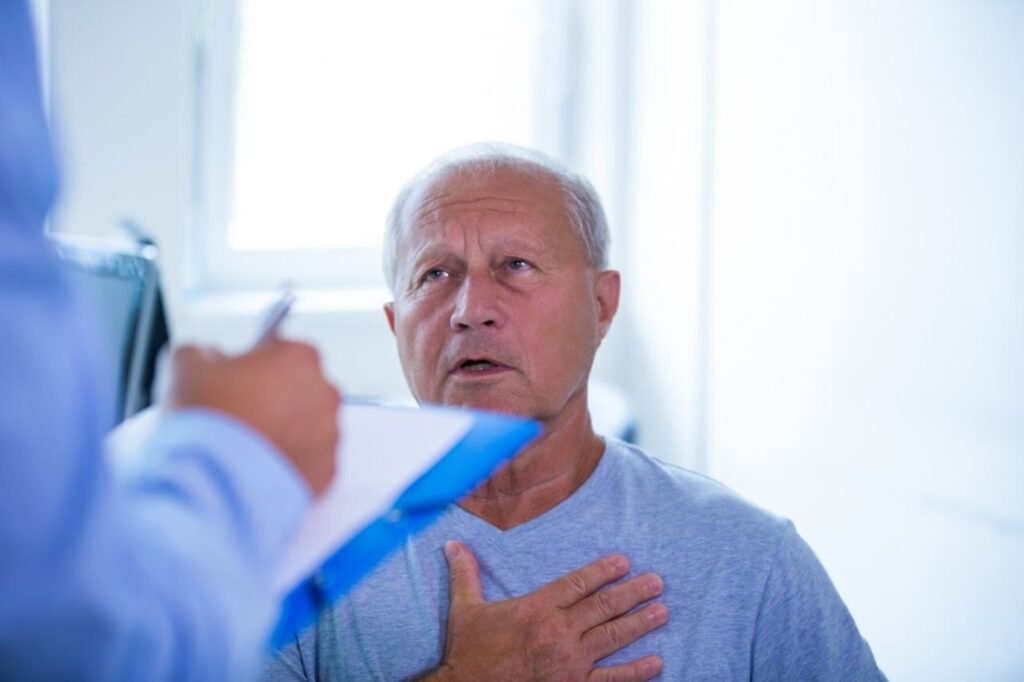
Chest pain can follow surgery involving the heart, lungs, ribs or breastbone. CABG, valve replacement, lung resection and chest wall procedures may affect skin, muscle, bone, cartilage and nerves.
Surgical trauma or inflammation can cause pain at the operation site. Chest drains, retractors and breathing tubes may also leave bruising or soreness in the chest, throat or neck. Muscle strain, gas and reflux can also cause chest discomfort after surgery.
Symptoms vary depending on the type of surgery and the tissues affected. They may include soreness, tenderness, a burning sensation, tightness or pain when taking a deep breath, coughing or moving.
Key nerve-related sources of pain include:
- After LIMA harvesting for bypass surgery: burning, tingling or an electric-shock sensation across the left chest wall from intercostal nerve injury.
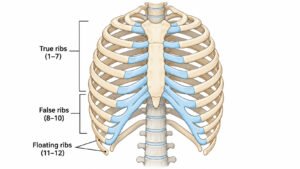
- After rib or cartilage surgery: sharp localised pain from healing bone, cartilage resection or slipping rib correction.
Discomfort is common in the first days and weeks. It should slowly improve rather than increase.
What “Normal” Chest Pain Feels Like After Surgery
Normal post-operative chest pain usually improves over time and is linked to movement, coughing or deep breaths. It is often localised around the incision, sternum or rib area, with a sharp or pulling feeling when getting in and out of bed. Tenderness along the scar or rib site is also common, and prescribed medication and rest should provide relief.
Timeline
Pain is often most noticeable during the first 2–6 weeks after sternotomy, particularly with coughing, sneezing or using the arms. By 3 months, many people notice improvement. Mild twinges may continue after 6 months, especially after heavy activity.
Healing nerves can cause itching, brief shocks or a burning, sunburn-like feeling. Shoulder, back, and chest wall stiffness can also occur. Breathing exercises, physiotherapy and walking can support recovery.
Warning Signs: Chest Pain After Surgery That Needs Urgent Help
Some symptoms may indicate myocardial infarction, pulmonary embolism, infection or an unstable sternum.
Call 999 or go to A&E immediately if you experience sudden crushing or pressure-like central chest pain, pain spreading to the jaw, neck, arm or back, severe breathlessness or an inability to take a full breath, coughing up blood, or palpitations with dizziness or fainting. Cold sweats, nausea, an irregular heartbeat, fever, chills, redness or pus at the wound site also require urgent assessment, as does popping or clicking of the breastbone with visible movement.
Do not wait to see whether these symptoms settle with painkillers. Heart attacks can cause severe, persistent pain, while pulmonary embolism may cause sudden sharp chest pain and breathlessness.
After cardiac surgery, chest pain during activity, especially with sweating or nausea, may indicate angina or graft problems. A cardiologist or emergency doctor should assess this promptly. If in doubt, prioritise safety and seek emergency care.
Chronic Chest Pain Months After Surgery
Chronic pain is pain lasting longer than 3 months after surgery. Chronic chest pain affects around 28% of patients after sternotomy, while persistent pain after cardiac surgery is also common.
It may feel burning, aching, stabbing or sharp. It can be concentrated along the sternotomy scar, ribs or costal cartilage, and may worsen with twisting, deep breathing or pressure on a particular area.
Persistent pain can result from poorly controlled early pain, intercostal nerve injury, brachial plexus stretch, non-healed or displaced rib fractures, slipping rib syndrome, irritated costal cartilage or scar tissue tethering the chest wall.
Chronic pain does not necessarily mean there is a problem with the heart or lungs, but it should not simply be accepted. Mr Marco Scarci sees patients with overlooked chest wall pain months or even a year after thoracic or cardiac surgery.
Common Causes of Chest Wall Pain After Surgery
Once serious heart and lung causes are excluded, pain may arise from the ribs, cartilage, sternum or intercostal nerves.
Mechanical causes:
- Rib fractures after surgery or CPR, including non-union or mal-union
- Painful plates, sternal wires or other hardware irritating soft tissue
Costal cartilage and slipping rib syndrome:
- Hypermobile lower ribs or damaged cartilage causing catching pain with bending, coughing or rolling in bed
- Costochondritis, which causes pain when pressing on the chest wall
Nerve-related causes:
- Intercostal neuralgia from scarring or nerve entrapment
- Burning pain after LIMA graft harvesting
- Scar neuromas at incision edges
Sternal problems:
- Partial non-union of the breastbone
- Prominent or unstable wires
- Previous fractures of the manubrium
Avoiding deep breaths because of pain can increase the risk of atelectasis or pneumonia. Some chest wall problems are missed when routine CT or MRI appears normal.
How Chest Pain After Surgery Is Assessed

Assessment first aims to exclude urgent causes, then identify cardiac, pulmonary or chest wall drivers.
History
Your doctor may ask when the pain started, where it is, what it feels like, and whether movement, breathing, activity, or rest affects it. Associated symptoms such as fever, palpitations and breathlessness are also important.
Physical examination
This may include checking scars, pressing along each rib and cartilage, assessing sternum stability and reviewing shoulder and spine movement.
Investigations
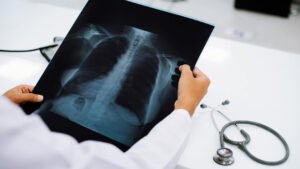
Investigations may include an ECG and blood tests, including troponin, if a cardiac cause is suspected. A chest X-ray can assess the lungs, ribs and sternum, while CT may identify subtle fractures or hardware problems. MRI or ultrasound can help assess cartilage and soft-tissue injury. Diagnostic nerve blocks may also be used to identify intercostal nerve pain.
Existing imaging can be reviewed before further focused scans are considered.
Treatment Options for Post-Surgical and Chronic Chest Pain
Treatment depends on the cause. Discuss ongoing pain with your doctor, especially if it is not improving as expected.
Medical therapies
Short-term opioids may be used in the early post-operative period. Anti-inflammatory medication can help where it is safe for the heart and kidneys. Neuropathic pain medicines may be considered for burning or electric sensations, while lidocaine patches or capsaicin cream can provide local relief. Selected patients may benefit from local anaesthetic infusions.
Interventional options
Intercostal nerve blocks can help diagnose and treat pain. Cryoablation may offer longer-lasting relief for nerve-related pain, while trigger-point injections can be used around scars and ribs.
Surgical solutions
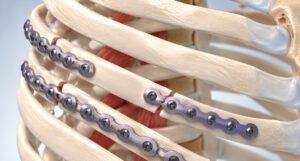
Surgery may be considered for non-healed fractures, flail segments, painful hardware or slipping rib syndrome. Options include rib fixation, hardware removal or repositioning, stabilisation of hypermobile ribs, and chest wall reconstruction where sections are missing or unstable.
Rehabilitation
Physiotherapy can restore mobility and reduce stress on the chest. Breathing exercises and a graded return to activity can support recovery while avoiding over-reliance on long-term opioids.
When to See a Chest Wall Specialist
Some people are reassured that their heart and lungs are normal but still have persistent pain months after surgery. This is a common group that may benefit from assessment by a rib injury specialist. Consider referral if chest pain lasts longer than 3–6 months, limits sleep, work, sport or normal daily movement, causes focal tenderness over a rib or cartilage, follows a fracture or trauma, or continues despite normal cardiac tests.
Early assessment can help active people return safely to exercise and may identify options that have not yet been offered.
Do not accept chronic chest pain as inevitable. Mr Marco Scarci offers specialist chest wall assessment and treatment, including remote consultations for patients in the UK and internationally.
FAQ
Is it normal to have chest pain 6 months after heart surgery?
Some discomfort can remain 6 months after CABG or valve surgery. It may be a burning or pulling sensation around the sternotomy scar or LIMA harvest site. Research suggests that around 40% of patients report sternotomy-site pain at 6 months.
Slowly improving pain that is linked to touch or movement may be part of healing. However, worsening pain or pressure during exertion needs urgent review to exclude a heart cause.
How can I tell if my chest pain is from my heart or my ribs?
Rib or chest wall pain is often sharp, localised and reproducible when pressing a specific spot. It may worsen with coughing, deep breaths or twisting.
Heart-related pain is more often a diffuse pressure or heaviness in the centre of the chest. It may occur with exertion, sweating, nausea or breathlessness. These patterns are not definitive, so new or uncertain chest pain should always be assessed by a clinician.
Will chronic chest pain after surgery eventually go away on its own?
Some pain improves over 12–24 months as nerves settle and scar tissue matures. In other cases, it continues if a mechanical or nerve-related cause is not treated.
Early treatment of problems such as slipping ribs, nerve entrapment or non-union fractures can shorten recovery and reduce long-term disability.
Can imaging be normal even if my chest pain is severe?
Yes. Small rib fractures, cartilage injuries and nerve pain may not show clearly on standard imaging. A detailed examination, targeted CT, MRI or dynamic ultrasound may identify the cause.
Diagnostic nerve blocks can also help describe the source of pain when scans are inconclusive.
Can I be seen if I live outside London or outside the UK?
Yes. Remote video consultations can allow a specialist to review your history, operation notes and imaging before discussing options. If treatment is needed, patients can then decide whether travel to London is appropriate.

Mr Marco Scarci
Consultant thoracic surgeon at Imperial College Healthcare NHS Trust, specialising in rib and chest wall conditions. Mr Scarci has performed over 5,000 minimally invasive thoracic procedures and treats slipping rib syndrome, rib fractures, and chest wall pain at five London hospitals.